Specifications
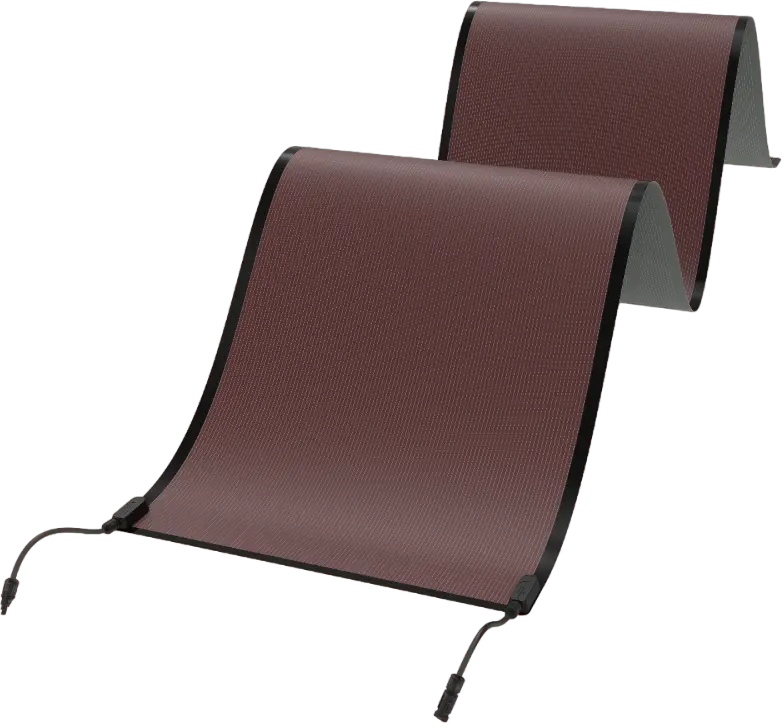
Flexible perovskite panels.
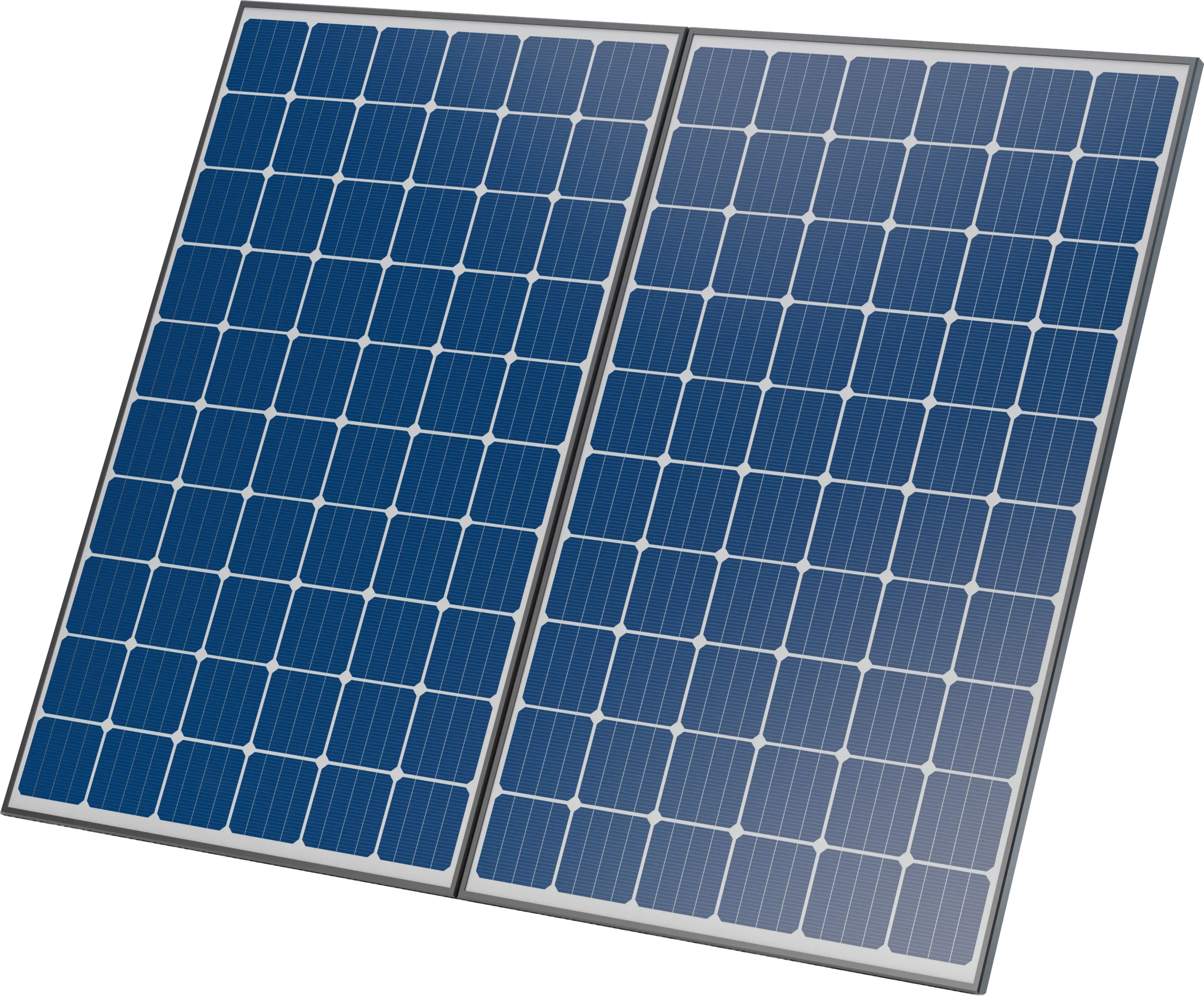
Traditional panels
Weight
Heavy due to glass and aluminum frame
Applicability
Limited to flat surfaces
Efficiency
Proven efficiency, depending on type and technology
Installation
Higher installation time and labor costs
Transport
Higher logistics costs
Structural load
Higher load due to self-weight
Design freedom
Limited design and integration possibilities
Discover the advantages
Lightweight
Traditional solar panels consist of glass, aluminum frames, and supporting structures. While this construction is robust, it also imposes a significant load on roofs, facades, and other surfaces. LiFT PV flexible solar panels are designed with a much lower weight, making solar energy possible in locations where conventional panels are too heavy. This increases the number of suitable surfaces and can prevent costly structural modifications.
Flexible
Designed for non-flat surfaces
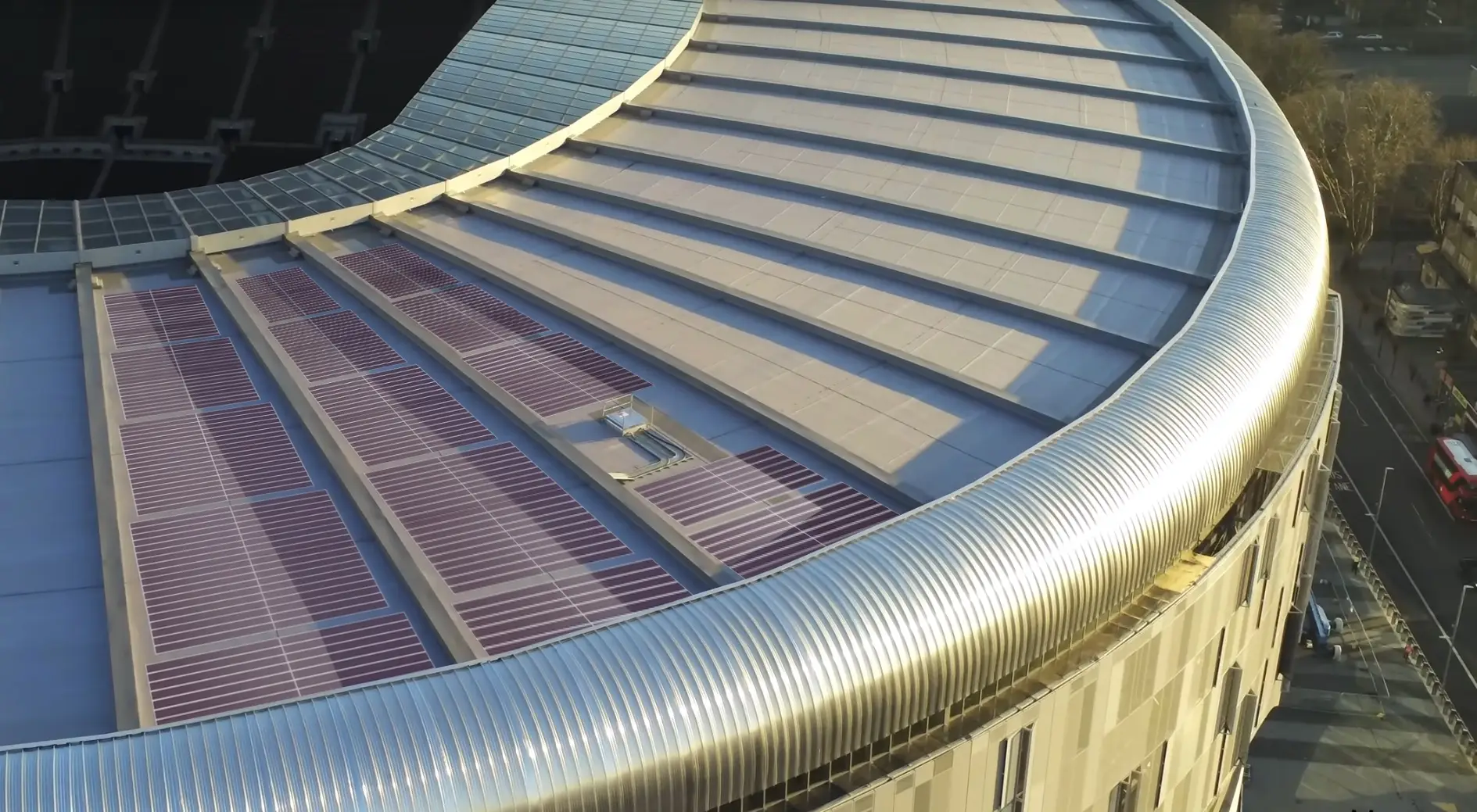
Where traditional solar panels are limited to flat and rigid structures, flexible solar panels can be integrated onto curved, undulating, or architecturally complex surfaces.
This offers new possibilities for architects, developers, and system integrators who want to combine solar energy with aesthetics and design freedom.
Simple integration
Solar energy as part of the design
LiFT PV solar panels are developed to become a seamless part of buildings, vehicles, and infrastructure. Instead of placing a visible system on top of a surface, energy generation can be integrated into the design itself.
This results in solutions that are not only functional but also aesthetically appealing.
Efficient installation
Reduced complexity on-site
The low weight and flexible construction make installation simpler than with traditional glass modules. Fewer heavy tools, fewer logistical challenges, and a shorter installation time contribute to more efficient projects.
This can provide a significant advantage, especially for large commercial and industrial applications.
Scalable production
Developed for industrial application
Perovskite technology offers advantages not only in use but also in production. Thanks to compatibility with roll-to-roll production techniques, flexible solar panels can be produced efficiently and on a large scale.
This scalability represents an important step toward affordable and widely deployable solar energy.
Durability and reliability
Designed for long-term performance
The transition from laboratory technology to commercial application requires reliable protection against moisture, oxygen, temperature fluctuations, and mechanical stress.
LiFT PV focuses on advanced module integration and protection solutions that contribute to the lifespan and reliability of flexible solar panels in diverse applications.
New energy surfaces
Energy in places where it was previously not possible
The combination of lightweight, flexibility, and integration opens up an entirely new playing field for solar energy. Surfaces that were previously unsuitable for conventional solar panels can now be utilized for sustainable energy generation.
From facades and logistics buildings to vehicles and infrastructure: LiFT PV increases the number of locations where solar energy can be profitably applied.
Solar panels should adapt to the surface.
Not the other way around.
